The Indian judicial system is one of the largest and most respected legal systems in the world. It plays a vital role in protecting the Constitution, resolving disputes, safeguarding citizens’ rights, and ensuring justice for everyone. Whether it’s a civil dispute, criminal case, family matter, or constitutional issue, courts provide a legal platform for fair and impartial decision-making.
If you’re searching for information about the Indian court system, court hierarchy, different types of courts, or how courts function, this comprehensive guide will help you understand the basics in simple language.
This Court Guide in India covers the structure of Indian courts, their powers, jurisdictions, common legal terms, court procedures, and frequently asked questions for students, litigants, legal professionals, and the general public.
Quick Information
| Topic | Details |
| Country | India |
| Judicial System | Integrated Judiciary |
| Highest Court | Supreme Court of India |
| State-Level Courts | High Courts |
| Local Courts | District & Subordinate Courts |
| Governing Law | Constitution of India |
| Purpose | Administration of Justice |
| Last Updated | 2026 |
What Is a Court?
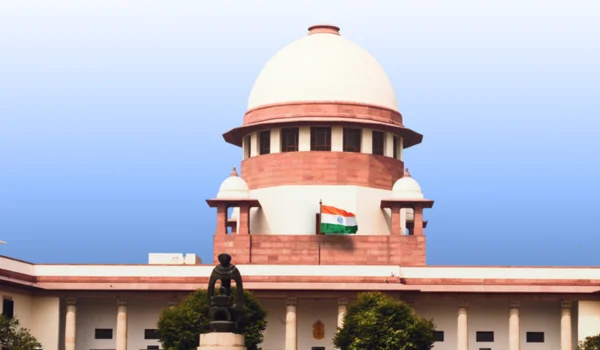
A court is a government institution where legal disputes are heard and decided according to the law. Courts interpret laws, protect constitutional rights, settle disputes, punish offenders in criminal cases, and provide remedies in civil matters.
Judges hear arguments from both parties, examine evidence, interpret applicable laws, and deliver judgments based on legal principles.
Structure of the Indian Judicial System
India follows a single integrated judicial system, meaning that all courts are connected through a hierarchical structure.
The judicial hierarchy is as follows:
Supreme Court of India
│
High Courts
│
District Courts
│
Subordinate Courts
Each level has specific powers and responsibilities.
Types of Courts in India
- Supreme Court of India
The Supreme Court of India is the highest judicial authority in the country. It was established on 26 January 1950 and is located in New Delhi.
Main Functions
- Interprets the Constitution
- Protects Fundamental Rights
- Hears appeals from High Courts
- Resolves disputes between states and the Union Government
- Reviews constitutional matters
- Issues important legal precedents
Decisions of the Supreme Court are binding on all courts in India.
- High Courts
Every state or group of states has a High Court, which is the highest court within that state or jurisdiction.
High Courts supervise subordinate courts and hear appeals from District Courts.
Responsibilities
- Civil and Criminal Appeals
- Writ Petitions
- Constitutional Matters
- Judicial Review
- Administrative Supervision of Lower Courts
India has multiple High Courts serving different states and union territories.
- District Courts
District Courts function at the district level and handle a large number of civil and criminal cases.
Each district generally has:
- District & Sessions Court
- Civil Courts
- Criminal Courts
- Family Courts
- Commercial Courts (where applicable)
District Courts hear appeals from subordinate courts and conduct trials for serious cases.
- Subordinate Courts
Subordinate Courts deal with day-to-day legal matters and include:
- Civil Judge Courts
- Judicial Magistrate Courts
- Metropolitan Magistrate Courts
- Small Causes Courts
- Munsiff Courts (in some states)
These courts handle cases based on their financial and territorial jurisdiction.
- Special Courts
Apart from regular courts, India also has specialized courts and tribunals for specific types of disputes.
Examples include:
- Family Courts
- Consumer Commissions
- Commercial Courts
- Juvenile Justice Boards
- Motor Accident Claims Tribunals (MACT)
- CBI Courts
- NDPS Courts
- Fast Track Courts
- POCSO Courts
These courts focus on specific categories of cases to improve efficiency.
Court Hierarchy in India
| Court Level | Jurisdiction |
| Supreme Court | Entire India |
| High Court | State / Union Territory |
| District Court | District |
| Subordinate Courts | Local Areas within District |
Types of Cases Heard by Indian Courts
Indian courts deal with various categories of legal disputes.
Civil Cases
Examples include:
- Property disputes
- Contract disputes
- Recovery of money
- Injunctions
- Land disputes
- Partition suits
Criminal Cases
Examples include:
- Theft
- Assault
- Cheating
- Murder
- Robbery
- Cybercrime
- Fraud
Family Matters
Family Courts commonly hear cases related to:
- Divorce
- Child Custody
- Maintenance
- Domestic Relations
- Adoption
- Guardianship
Constitutional Matters
Constitutional cases generally involve:
- Fundamental Rights
- Government Powers
- Constitutional Interpretation
- Public Interest Litigations (PILs)
Jurisdiction of Courts
Jurisdiction refers to the legal authority of a court to hear and decide a case.
Territorial Jurisdiction
Based on the geographical area where the dispute arose.
Pecuniary Jurisdiction
Based on the monetary value involved in the case.
Subject Matter Jurisdiction
Depends on the nature of the dispute, such as civil, criminal, family, or commercial matters.
Appellate Jurisdiction
Allows higher courts to hear appeals against decisions made by lower courts.
Original Jurisdiction
Certain courts can hear specific cases directly without requiring proceedings in lower courts first.
Basic Court Process in India
Although procedures vary depending on the nature of the case, the general process is:
- Filing of the case or petition
- Scrutiny by the court
- Registration of the case
- Issue of notice or summons
- Appearance of parties
- Filing of replies and evidence
- Examination of witnesses (where applicable)
- Final arguments
- Judgment
- Appeal (if permitted under law)
The exact procedure depends on the applicable laws and the type of proceedings.
Important Court Documents
Some commonly used legal documents include:
- Petition
- Plaint
- Written Statement
- Affidavit
- Vakalatnama
- Bail Application
- Appeal Memo
- Certified Copy Application
- Caveat
- Power of Attorney
The required documents vary based on the type of case.
Digital Court Services in India
Many courts now offer online services to improve accessibility and transparency.
Common services include:
- Case Status Search
- Cause List
- Judgment Search
- Order Search
- e-Filing
- Certified Copy Status
- Advocate Information
- Case Number Search
- CNR Number Search
Availability may vary depending on the court.
Common Court Terminology
| Term | Meaning |
| Plaintiff | Person who files a civil case |
| Defendant | Person against whom a civil case is filed |
| Petitioner | Person filing a petition |
| Respondent | Person responding to a petition |
| FIR | First Information Report |
| Bail | Temporary release from custody under legal conditions |
| Warrant | Court-issued legal authorization |
| Affidavit | Written statement made under oath |
| Decree | Formal decision in a civil case |
| Judgment | Final decision delivered by a court |
Rights of Litigants
Every person approaching a court is generally entitled to:
- A fair hearing
- Equal treatment before the law
- Legal representation
- Access to court records as permitted by law
- Appeal against eligible judgments
- Reasoned judicial decisions
These rights are subject to applicable laws and court procedures.
Tips Before Visiting a Court
- Carry all relevant documents.
- Reach the court on time.
- Verify the courtroom number in advance.
- Follow courtroom etiquette.
- Keep identification documents with you if required.
- Consult a qualified legal professional for case-specific advice.
- Avoid relying on unofficial sources for legal information.
Frequently Asked Questions
What is the highest court in India?
The Supreme Court of India is the highest judicial authority in the country.
What is the role of a High Court?
A High Court hears appeals from lower courts, exercises constitutional powers, supervises subordinate courts, and decides important civil and criminal matters within its jurisdiction.
What types of cases do District Courts hear?
District Courts hear civil, criminal, family, commercial, and various other matters according to their jurisdiction.
What is jurisdiction?
Jurisdiction is the legal authority of a court to hear and decide a particular case based on factors such as location, subject matter, or monetary value.
Can a court decision be appealed?
In many cases, yes. Subject to the applicable law, parties may have the right to challenge a court’s decision before a higher court.
Can I check my court case online?
Yes. Many courts provide online services that allow users to search case status, orders, judgments, and cause lists through official judicial portals.
Final Thoughts
The Indian judicial system is built to uphold the rule of law and provide justice through an organized hierarchy of courts. From local subordinate courts to the Supreme Court of India, every level has a defined role in resolving disputes, interpreting laws, and protecting citizens’ rights.
Whether you’re a student learning about the legal system, a litigant preparing for court proceedings, or simply looking to understand how courts function, having a clear understanding of court hierarchy, jurisdiction, and legal procedures can help you navigate the judicial system with greater confidence. Remember that this guide is intended for general informational purposes and is not a substitute for professional legal advice.